


If you've spent any time on TikTok or Pinterest looking at personal finance tips, you have undoubtedly seen the 100 Envelope Challenge. It's a viral savings trend that promises to help you save $5,050.
But how does it actually work? And more importantly, how do you complete it without giving up halfway through?
In this guide, we'll break down exactly how the 100 Envelope Challenge works, the math behind it, and how to customize it to fit your actual income.
How to Use the 100
Envelope Challenge to Save $5,050
If you've spent any time on TikTok or Pinterest looking at personal finance tips, you have undoubtedly seen the100 Envel...
The traditional 100 Envelope Challenge is a gamified savings method. You take 100 envelopes and number them 1 through 100. Then, over the course of 100 days, you draw one envelope at random and stuff it with the exact dollar amount written on the front.
For example, if you draw envelope #42, you put $42 inside. If you draw envelope #99, you put $99 inside.
By the time you fill all 100 envelopes, you will have saved exactly $5,050.
While the concept is fun, drawing envelopes at random every single day for 100 days is a recipe for failure for most people. Why?
- It ignores pay cycles:Most people get paid bi-weekly, not daily. Coming up with $99 on a random Tuesday before payday is stressful.
- It's too fast:Saving $5,050 in just over three months requires an extra $1,600+ per month in disposable income. Most beginners don't have that.
To actually succeed at this challenge, you need to modify it to fit your real life. Here is how we recommend doing it:
There is no law saying you must finish in 100 days. Give yourself a year. If you stuff two envelopes per week, you will finish the challenge in 50 weeks (just under a year) and still have $5,050.
Instead of drawing blind, pick your numbers based on your current cash flow. On a week where you worked overtime or got a bonus, knock out the big numbers (like #90 and #100). On a tight week where bills are due, color in the small numbers (like #5 and #12).
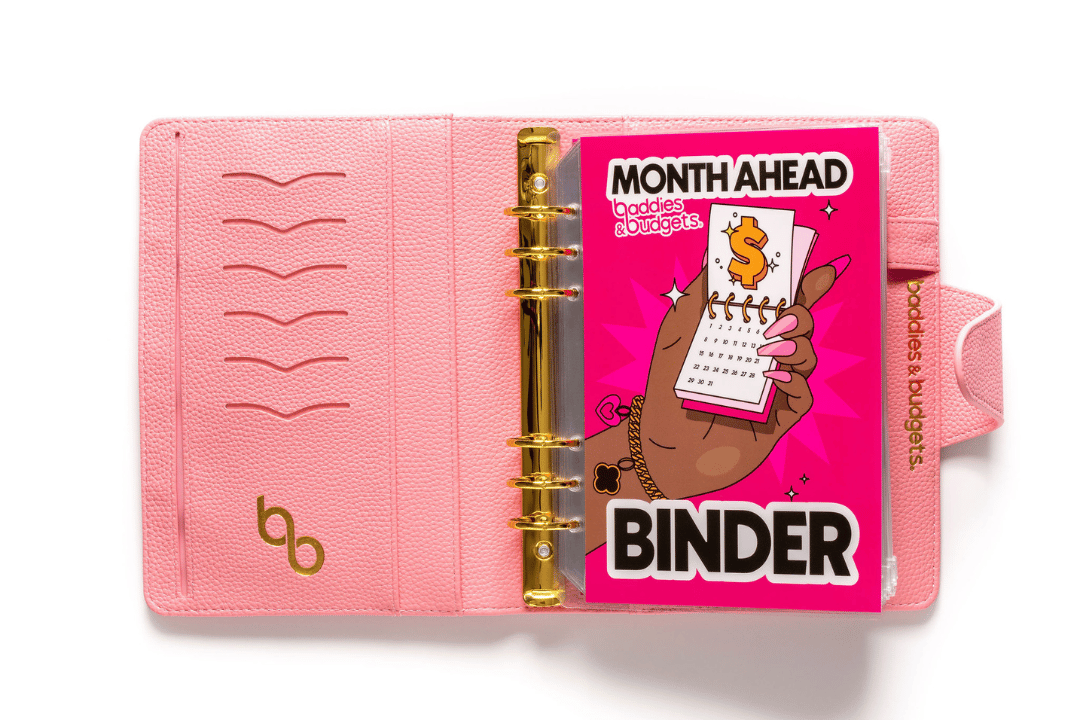
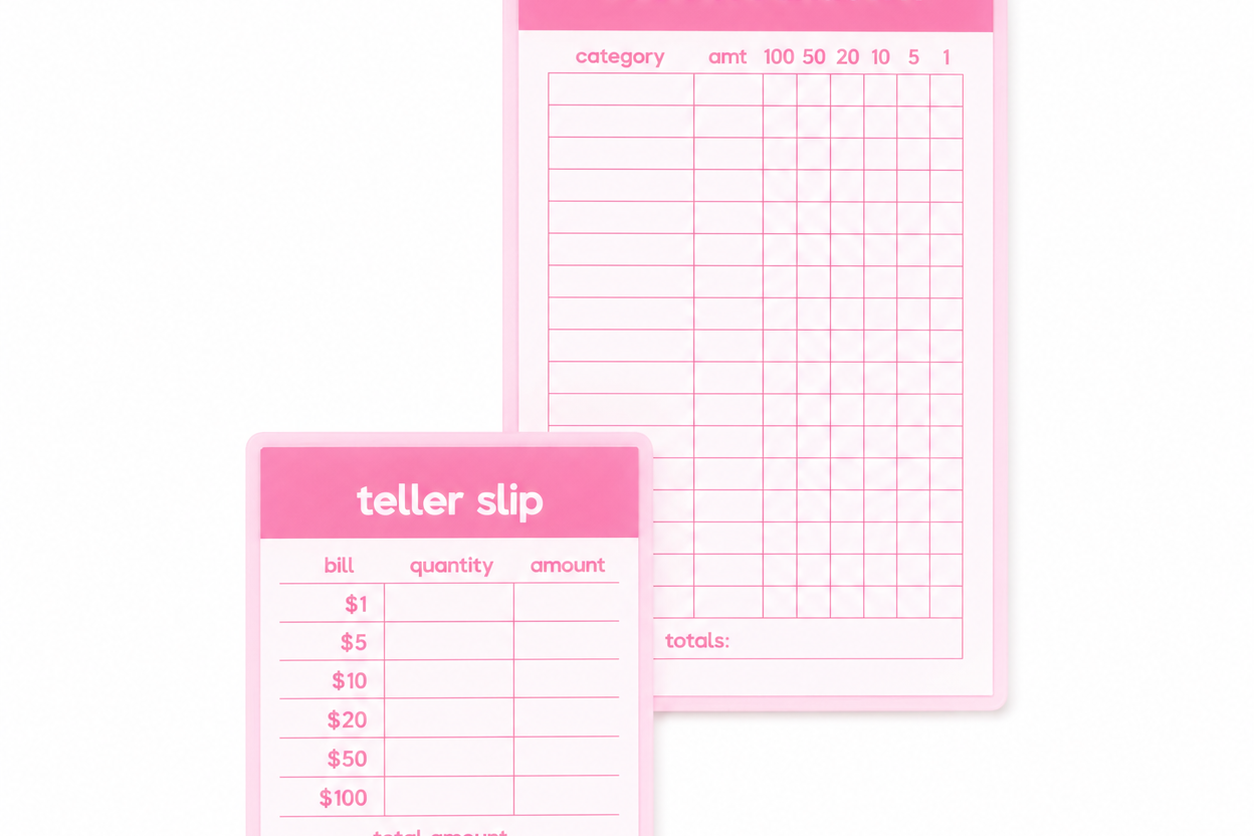
Writing on 100 physical paper envelopes is bulky and messy. Instead, use a dedicated savings binder with a laminated tracker. You can cross off the numbers as you go and keep all the cash consolidated in a few secure zippered pouches.
If you want a smaller, more manageable version to start with, try the $1,500 Challenge Binder. It uses the same gamified concept but with a lower, more achievable goal for beginners.
If you prefer a structured monthly approach with different themes, the Monthly Savings Challenge Y2K Binder breaks your savings goals into 12 distinct, fun mini-challenges.
If $5,050 feels like too much right now, start with our $1,500 Challenge Binder. It includes a reusable laminated tracker and pre-labeled envelopes to help you build your beginner emergency fund.
Ready to Level Up?
Follow us on Instagram for daily money tips, inspo, and community.
Follow @BaddiesnBudgets