


Let's be honest for a second. The word budget usually sounds like a trap. It sounds like you are about to give up everything you love and spend your weekends staring at a confusing spreadsheet. If you have been avoiding your bank account because you are scared of what you might see, you are not alone.
But here is the truth. Budgeting is not about punishing yourself. It is about giving your money a job so you can actually enjoy your life without the constant stress of wondering if your card will decline. If you want to know how to start budgeting but feel completely overwhelmed, you are in the right place.
How to Start Budgeting When You
Have No Idea Where to Begin
Let's be honest for a second. The word budget usually sounds like a trap. It sounds like you are about to give up everyt...
When you do not have a plan for your money, it just disappears. You look up at the end of the month and wonder where all your hard earned cash went. A budget changes that. It takes you from guessing to knowing. Organized money feels different. It gives you permission to spend because you already know your bills are covered. You do not need to be perfect, you need a plan.
The first step is the one everyone hates. You have to look at your bank statements. Grab a notebook or open a fresh page on your phone. Write down exactly how much money you bring in each month. Then write down all of your fixed expenses. These are the bills that do not change, like your rent, car payment, and insurance. Once you know what must be paid, you can see what is left over. This is your starting point. Stop guessing with your finances and get clear on your actual numbers.
Now you need to know where your extra money is going. For the next week, track every single thing you buy. Yes, even that two dollar snack at the gas station. Small money moves still count. When you track your spending, you will quickly see your habits. You might realize you are spending way more on takeout than you thought. Do not judge yourself during this process. Just observe.
There are a million ways to budget, but make it doable. If you try to create a complicated system, you will quit in three days. Keep it simple. A great method for beginners is the 50/30/20 rule. You put fifty percent of your income toward needs, thirty percent toward wants, and twenty percent toward savings and debt. This gives you room to live your life while still being responsible.
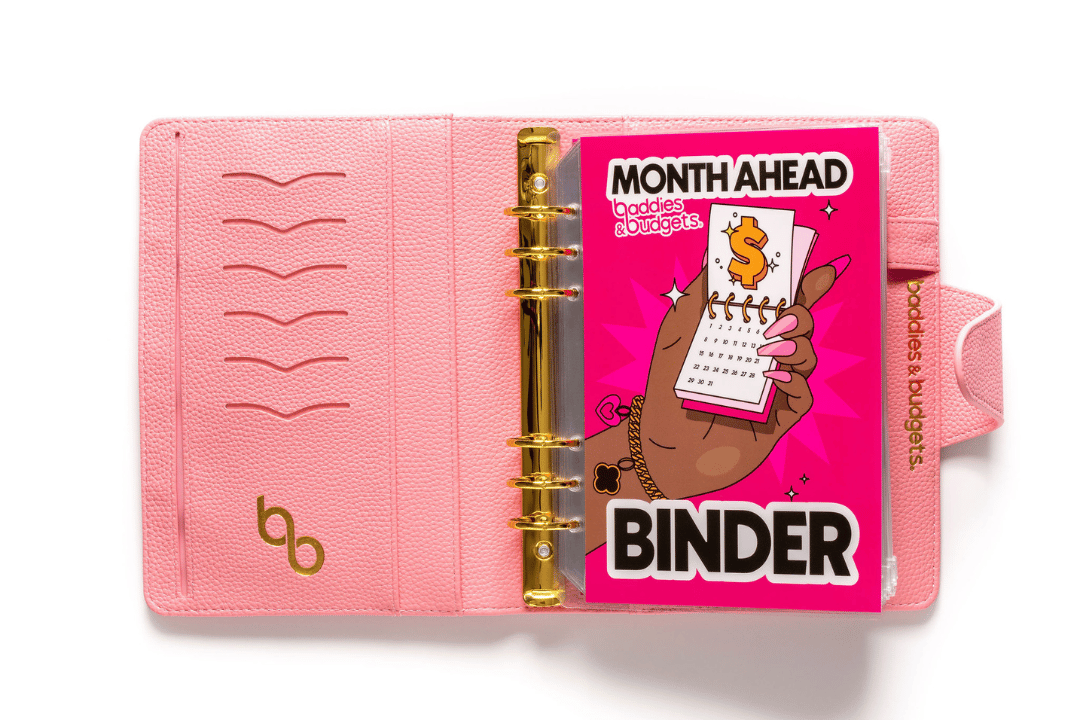
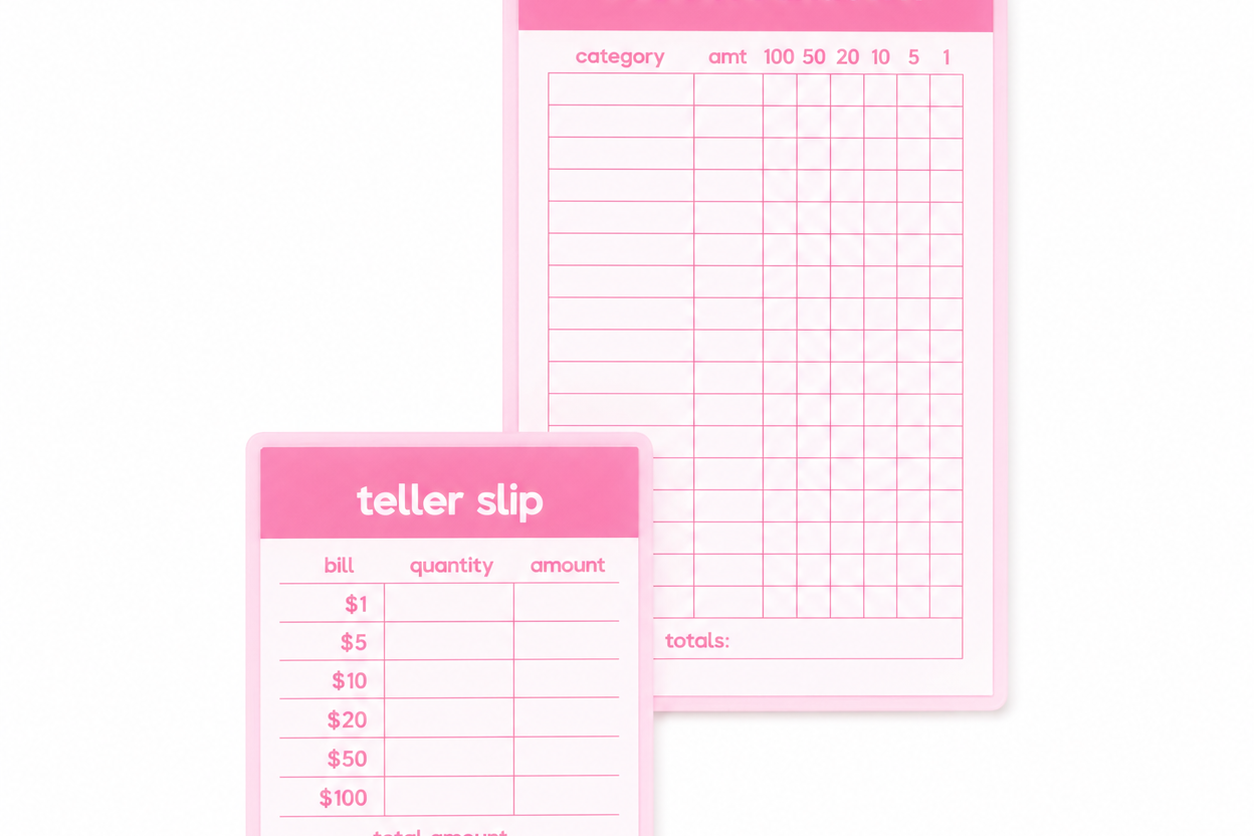
You cannot build a house without tools, and you cannot build a budget without them either. Trying to keep all these numbers in your head will only lead to anxiety. Writing things down physically connects you to your goals. A good budget planner walks you through every step so you never feel lost. Pretty tools, serious results. A budget you will actually want to use.
When you are figuring out how to start budgeting, it is easy to make mistakes. The biggest one is being too strict. If you cut out all fun money, you will end up binge spending later. Give yourself an allowance for things you love. Another mistake is forgetting about irregular expenses. Things like car maintenance or annual subscriptions will sneak up on you. Build a small cushion into your monthly plan for these surprises.
Taking control of your money is the ultimate form of self care. For the woman who is done playing about her money, starting a budget is the first step toward real freedom. You are capable of managing your finances, paying off debt, and building wealth. Turn your intentions into actual savings by taking that first step today.
Ready to stop stressing and start managing your money with confidence? Browse our budgeting tools and find a budget you will actually want to use.
Ready to Level Up?
Follow us on Instagram for daily money tips, inspo, and community.
Follow @BaddiesnBudgets