


If you have seen those viral TikTok videos of people stuffing cash into aesthetic binders and wondered if it actually works, you are in the right place. Cash stuffing is one of the most popular budgeting methods right now, and for good reason.
What is Cash Stuffing?
The Complete Beginner's Guide
Let us sit down and get straight to it. Cash stuffing is a hands on budgeting method where you divide your money into ph...
- Cash stuffing is a visual budgeting method where you divide your money into physical envelopes for different spending categories.
- It works by changing your psychological relationship with money, making it harder to overspend compared to swiping a debit card.
- You do not need a massive income to start. You only stuff the money left over after your fixed bills and digital automated payments are covered.
- Consistency is more important than the amount you save when you are first building the habit.
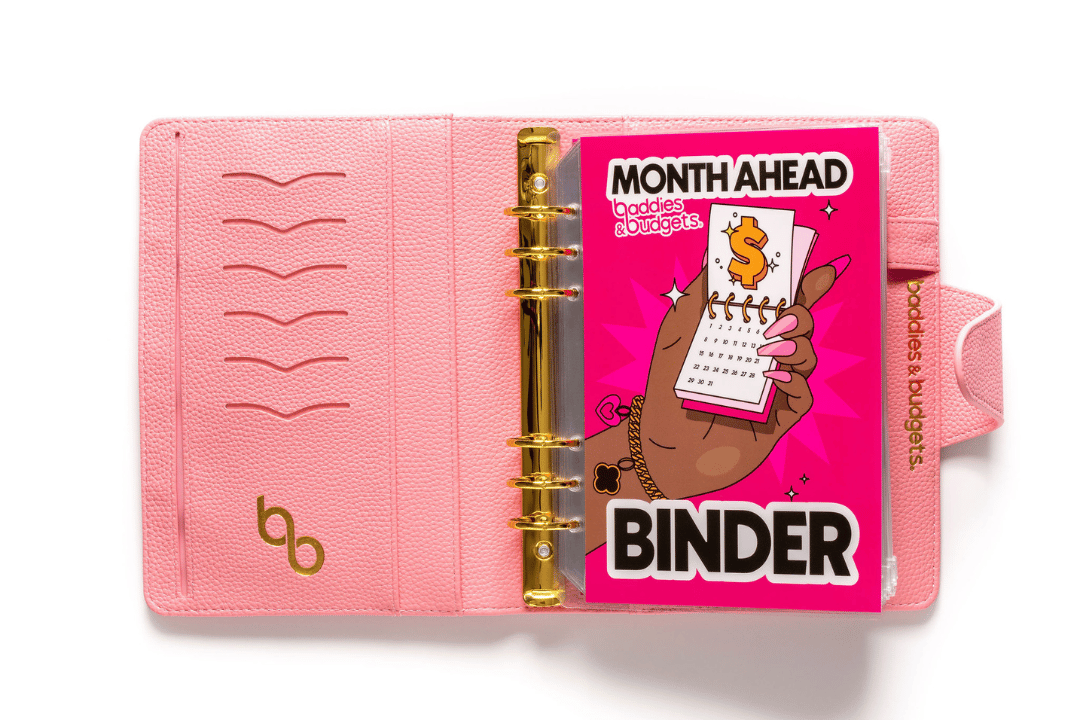
Let us sit down and get straight to it. Cash stuffing is a hands on budgeting method where you divide your money into physical envelopes or sleeves for different goals. Instead of swiping a card and guessing what is left in your account, you physically see where every single dollar is going.
Think of it as the old school envelope system your grandma might have used, but we made it cute and intentional. You assign every dollar a job before you even spend it. If you have an envelope for groceries and it is empty, you are done buying groceries until the next payday. It makes saving feel real, visual, and makes it much harder to overspend.
It works because it changes your psychology. When you swipe a debit or credit card, it does not feel like you are losing anything. The card goes right back into your wallet. But when you physically hand over a twenty dollar bill, your brain registers that transaction.
Cash stuffing forces you to be intentional. You have to sit down with your money, look at your goals, and physically separate your cash. It stops the mindless scrolling and spending because you are actively managing your resources. You are no longer wondering where your money went at the end of the month because you already told it exactly where to go.
This is the number one question I get asked, and I need you to hear this clearly. There is no exact amount required to start cash stuffing. You do not need to be rich to start getting your money right.
The amount you stuff is determined entirely by your individual paycheck and your personal budget. After you get paid, your digital payments and automated expenses like rent, car notes, and subscriptions stay in your bank account. You do not need to pull cash out just to put it back in the bank.
The remaining funds for your sinking funds, savings challenges, and variable cash envelopes like dining out or beauty are what you should be cashing out. We do not recommend starting with a random fixed amount like $50 just because it sounds good. Your stuffing routine needs to align with your actual budget after accounting for your bills.
You do not need to overcomplicate this. To start cash stuffing, you need three basic things.
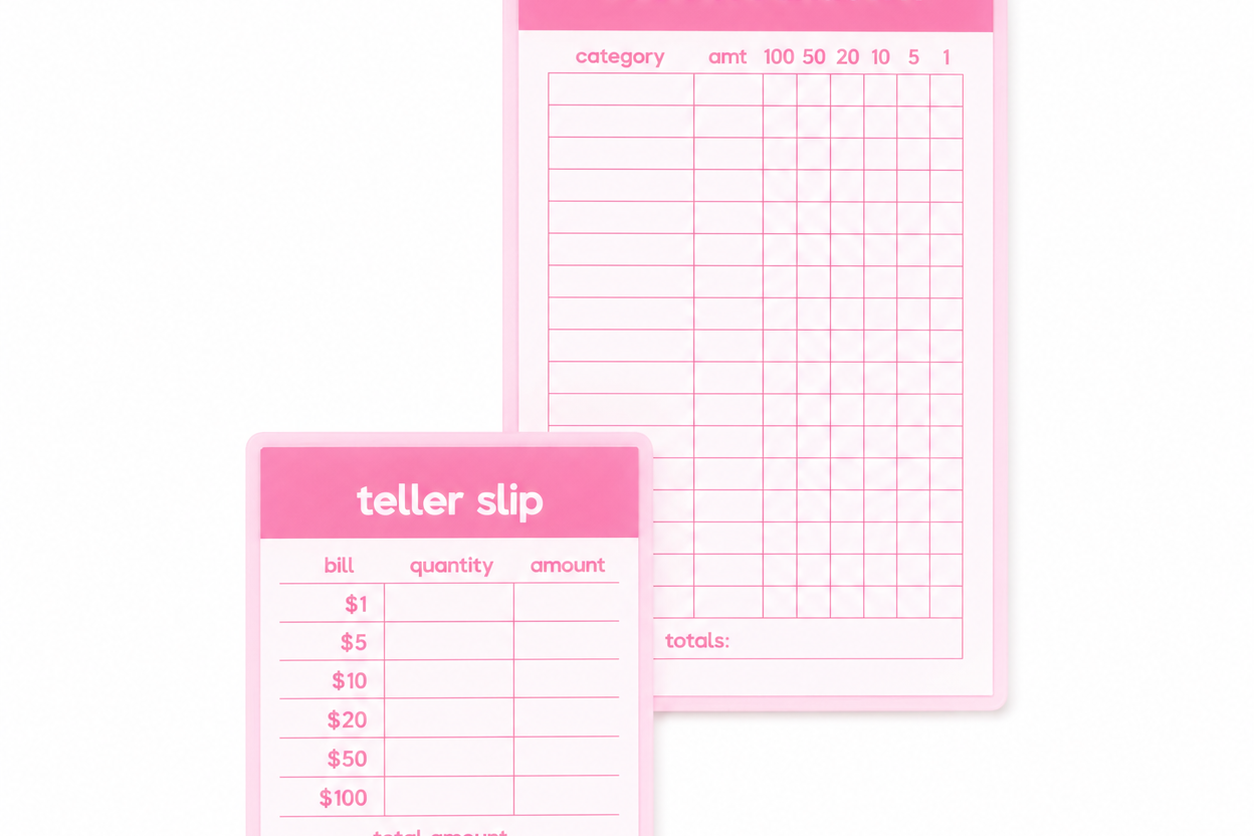
First, you need a budget. You have to know exactly what is coming in and what is going out. Second, you need cash. Go to the bank and withdraw the specific amount you budgeted for your envelopes. Third, you need a system to hold your cash.
If you are a beginner, we highly recommend starting with a simple setup like our Beginner Budget Binder Starter Kit or a low pressure challenge like The $800 Club Challenge. These tools give you the exact structure you need to build the habit without feeling overwhelmed.
A sinking fund is money you set aside a little bit at a time for a specific upcoming expense. Instead of pulling from your emergency savings when the holidays roll around or your car needs new tires, you already have a designated envelope filled with cash ready to go. It is how you plan for the expected so it does not feel like an emergency.
While our systems are designed for physical cash stuffing because the visual element helps change spending habits, you can absolutely adapt them. Many baddies use prop money in their binders to represent money they have moved into a digital high yield savings account. Do whatever works best for your financial setup.
Give yourself some grace. Budgeting is a skill, and nobody is perfect on day one. If you overspend in one category, figure out why it happened, adjust your budget for the next week, and keep going. The goal is progress, not perfection.
Ready to Level Up?
Follow us on Instagram for daily money tips, inspo, and community.
Follow @BaddiesnBudgets