


Digital Budgeting vs. Cash
Stuffing: Which is Better?
If you are trying to get your finances in order, you've probably faced this debate: Should you use a digital budgeting a...
If you are trying to get your finances in order, you've probably faced this debate: Should you use a digital budgeting app on your phone, or should you switch to physical cash stuffing with envelopes?
Both methods have passionate defenders. App lovers praise the automation and convenience. Cash stuffers swear by the psychological benefits of holding physical money. So, which one is actually better?
In this guide, we break down digital budgeting vs. cash stuffing to help you decide which system will actually help you stop overspending.
Digital budgeting involves using apps (like YNAB, EveryDollar, or Rocket Money) or spreadsheets to track your income and expenses. You link your bank accounts, swipe your debit or credit card, and the app categorizes the transaction.
- Convenience:You don't have to go to the ATM or carry physical cash.
- Automation:Transactions are imported automatically.
- Exact tracking:You can track spending down to the exact penny.
- The "Invisible Money" Problem:Swiping a card is frictionless. Your brain doesn't register the loss of money, making it incredibly easy to overspend.
- Reactive, not proactive:Apps usually notify youafteryou've already blown your dining out budget.
- Notification fatigue:Many people eventually start ignoring the app alerts.
Cash stuffing (the envelope system) involves withdrawing your variable spending money in physical cash and dividing it into labeled envelopes. When the cash in the envelope is gone, you stop spending.
- Psychological friction:Handing over a physical $20 bill hurts more than tapping a card. This friction naturally makes you spend less.
- Hard limits:You cannot overdraft an envelope. When it's empty, it's empty.
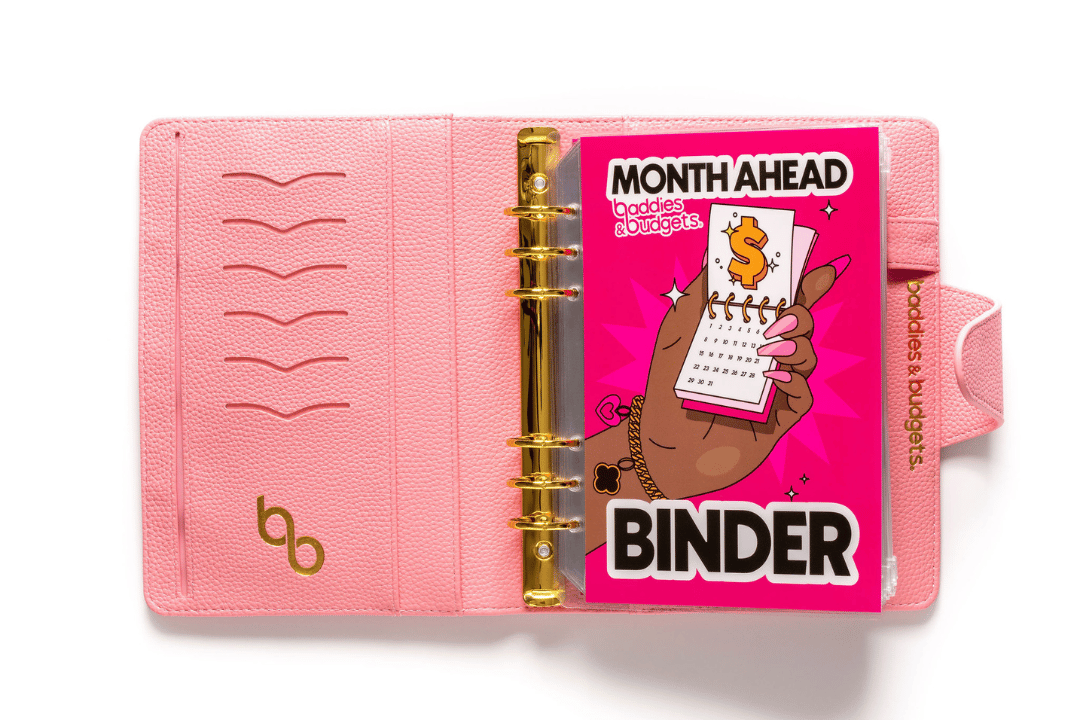
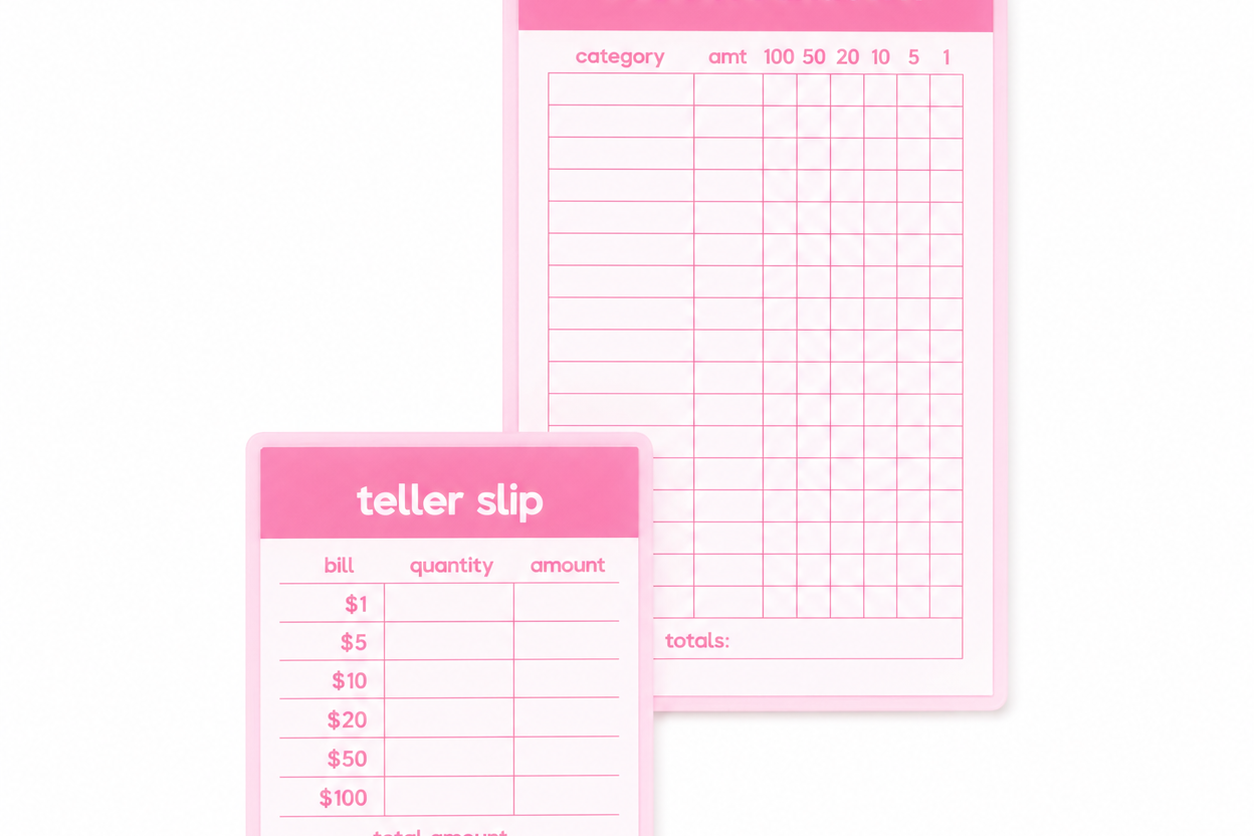
- Highly visual:You can literally see how much money you have left for the week just by looking in yourbudget binder.
- Requires prep time:You have to physically go to the bank and stuff the envelopes.
- Online shopping:It requires an extra step to deposit cash back into the bank if you need to make an online purchase.
If you are someone who struggles with impulse control, credit card debt, or constantly wondering "where did my money go?" at the end of the month, cash stuffing is vastly superior.
Digital budgeting is great for people who are already disciplined. But if you need to change your spending habits, you need to change your relationship with money. Cash stuffing forces you to interact with your finances in a tangible way.
The most successful budgeters often use a hybrid approach. They use digital banking for their fixed bills (rent, utilities, car payments) and use cash stuffing strictly for their variable categories (groceries, eating out, fun money).
This gives you the automation of digital banking for the boring stuff, and the strict limits of cash stuffing for the categories where you tend to overspend.
If apps aren't working for you, it's time to try the physical method. Our A6 Patent Binders give you the perfect setup to start cash stuffing and finally stick to your budget.
Ready to Level Up?
Follow us on Instagram for daily money tips, inspo, and community.
Follow @BaddiesnBudgets