

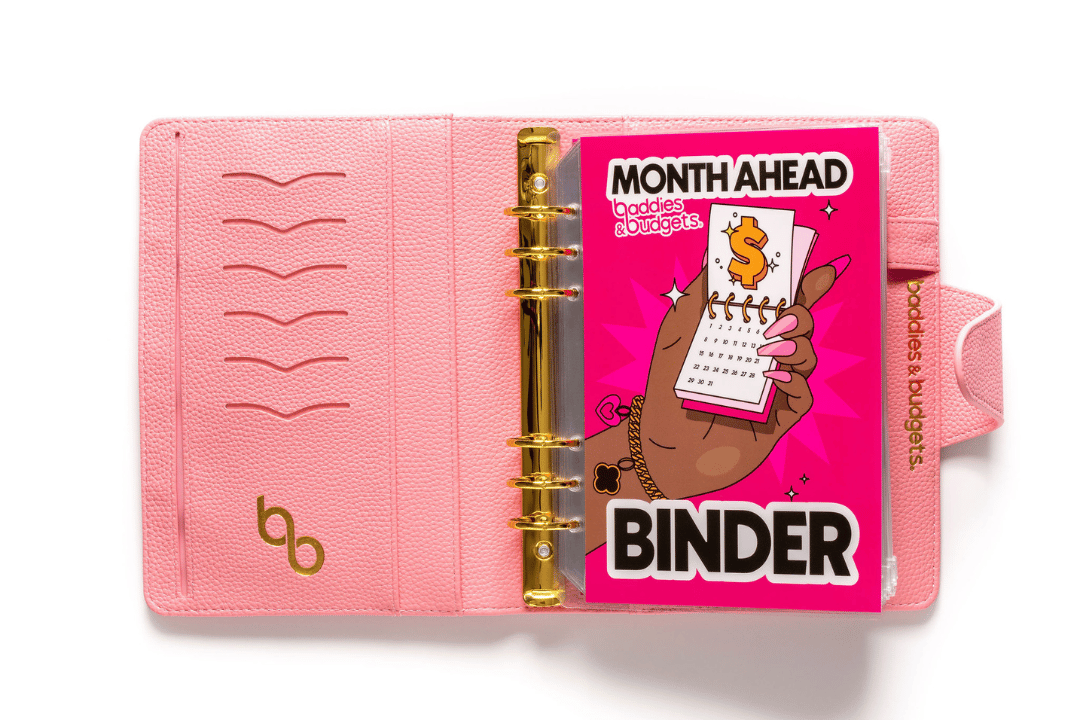

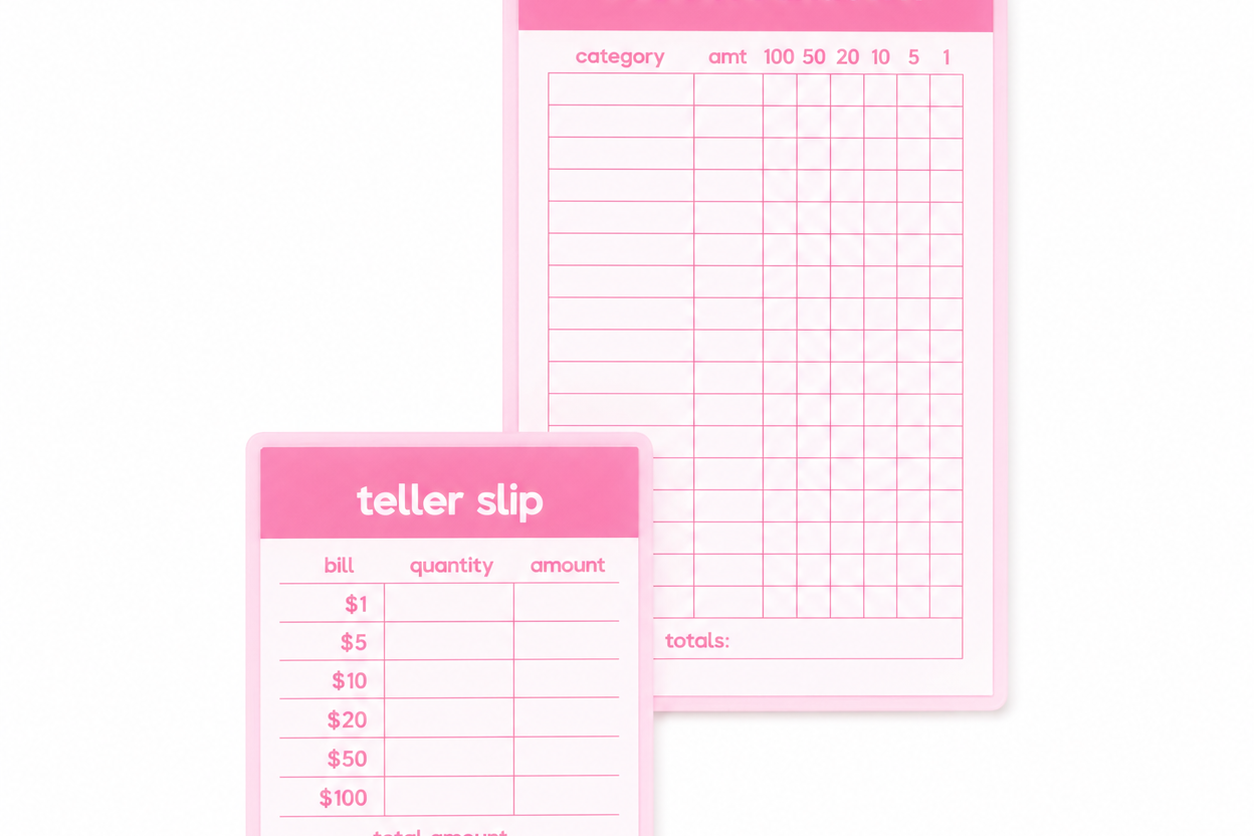
A budget binder is a physical organizer that holds your cash, bills, and savings goals in one place. It's the tactile, hands-on system behind the cash stuffing trend you've seen all over TikTok.
Simply put: A budget binder is a zippered binder filled with cash envelopes, savings trackers, and bill payment sheets. You divide your monthly income into categories (groceries, gas, fun money), stuff physical cash into labeled envelopes, and only spend what's in each envelope. When the cash is gone, you stop spending in that category.
What Is a Budget Binder
and How Do You Use It?
A budget binder is a physical organizer that holds your cash, bills, and savings goals in one place. It's the tactile, h...
Apps make money invisible. You tap a card, the number on a screen goes down, and your brain doesn't really process the loss. Cash is the opposite,handing over a $20 bill feels like something. That feeling is the entire point of a budget binder.
People who switch from apps to binders consistently report spending less without trying harder. The binder isn't doing anything magical; it's just making your money real again.
A complete budget binder usually includes five sections:
- Cash envelopes:one per spending category (groceries, gas, eating out, beauty, etc.)
- Monthly budget tracker:your income, fixed bills, and category allotments on one page
- Bill calendar:when each bill is due so nothing slips
- Savings challenge sheets:a$1,500 challenge, 100-envelope challenge, or custom goal tracker
- Sinking funds tracker:for irregular expenses like Christmas, car repairs, or vacations
Write down what you bring in each month and subtract your non-negotiable bills (rent, utilities, insurance, subscriptions). What's left is your spending money.
Most people start with 4 to 6 categories. Don't overcomplicate it. Common ones: groceries, gas, eating out, personal care, fun money, household.
Decide how much each category gets, then withdraw that amount in cash and stuff each envelope. This is "cash stuffing."
Going to the grocery store? Take the grocery envelope. When it's empty, you're done for the month, or you pull from another envelope and adjust.
Check your binder once a week. Note what categories you blew through and which had cash left over. Adjust next month.
- Too many categories.Five is plenty. Fifteen will overwhelm you and you'll quit.
- Not including fun money.A budget with no joy in it dies in week two.
- Skipping the weekly check-in.The binder only works if you actually open it.
- Trying to be perfect month one.Your first budget will be wrong. That's data, not failure.
Budget binders work best for people who feel out of control with spending, who've tried apps and bounced off them, or who just like the satisfaction of a physical system. If you're a die-hard spreadsheet person who already tracks every penny digitally, a binder might feel redundant. But most people who try one never go back.
If you need help tracking the numbers before you stuff the cash, our Intentionally Rich™ Budget Planner is the flagship system that helps people actually budget. It includes weekly and monthly layouts, bill calendars, and debt trackers.
Ready to Level Up?
Follow us on Instagram for daily money tips, inspo, and community.
Follow @BaddiesnBudgets